Why Your RTO Policy is DOA
What started as murmurs across Zoom calls, has now manifested into our post-Covid reality: we’re all returning to the office. The roads are back to their normal congested states, cafes are bustling first thing in the morning, and workers across the country are undertaking the familiar, yet often-maligned sport of getting out the door in the morning.
This highly contested return-to-office push has many employees questioning whether or not their time is better spent logging in versus sitting through a commute. Meanwhile, companies are working through a laundry list of in-office incentives they believe can entice even the biggest RTO sceptic: catered lunches, nap pods, game rooms. But do these things really help employees align and thrive?
The question every company is asking is "how do we get people back to the office?” However, this perspective falls short. The better question is: "Why would someone choose to be here when they don't have to be?"
Those two questions lead to very different answers — and ultimately, very different office environments.
The first question is a compliance problem. Employee engagement is solved with mandates, badge tracking, and strongly-worded all-hands emails. It brings bodies into a building. But stirs potential resentment and detachment.
The second question is a design problem. This perspective sets out to solve the questions by asking what a space communicates, how it feels, and most importantly, whether it was built for the people inside it.
One of those problems you can solve with a policy. The other one requires intention.
What companies don’t realize is that they are not competing with the comfort and convenience of the home office, rather, they have a completely different task at hand: build an elevated environment that people want to come rather than have to.
The environments people choose to be in, like their favorite coffee shop with a cozy nook, or the hotel lobby that energizes with its views and elegant interior, that restaurant that makes you feel like a VIP — all have something in common. They were built with a point of view. With the intention of making people feel a certain way, with every design element doing intentional work.
However, most offices were not built that way.
Most offices were built to be functional. Neutral. Inoffensive. And inoffensive spaces do not inspire loyalty and alignment. They don't inspire anything.
The good news is, the antidote to this is simple: design the modern workspace with intention. Leave the sterile white walls and auster spaces in the past. Focus on atmosphere and human experience.
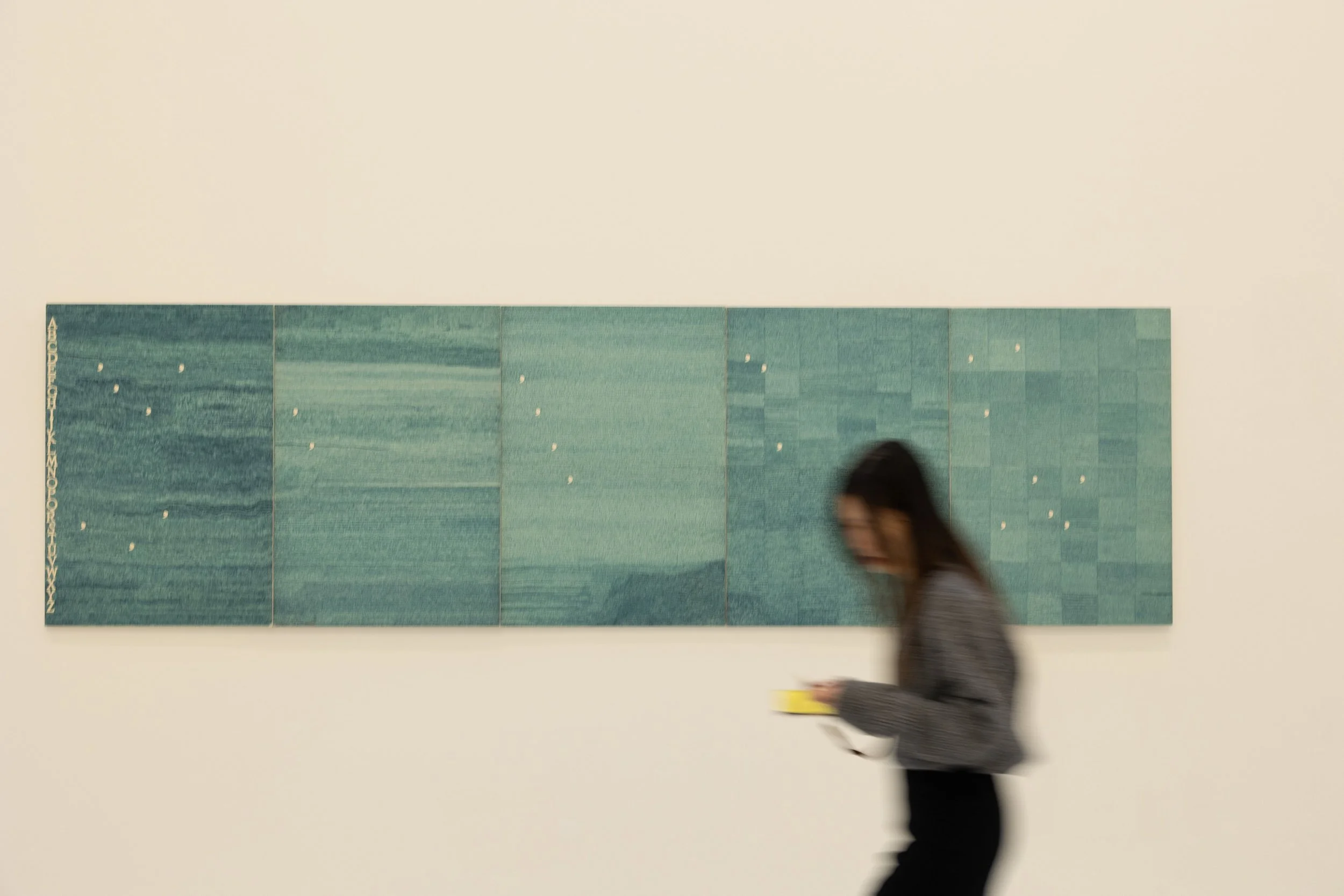
The best way to do this? Invest in real art. No white wall can rival the impact of a well-placed art piece. It communicates what a company values, what it thinks of the people inside it, and whether time was invested to think about how this space would actually feel to be in every day.
The art on the wall —or the absence of it— is not a decoration decision. It's a cultural decision.
The companies getting return-to-office right are not the ones with the strongest mandates. They're the ones that asked the harder question, and then did the work to address them.
The work we do here at Artus Operandi is at the intersection of how spaces look and how they make people feel. But what we actually help organizations do is answer that second question.
Not with a policy. With intention.